
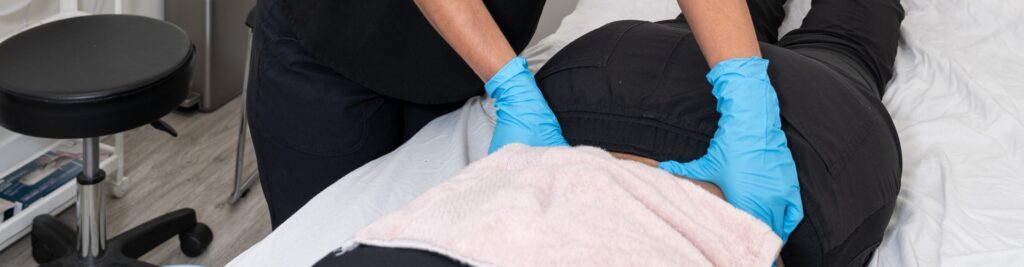
Find Relief from Aches and Pains with Physiotherapy
When discomfort, stiffness, or movement limitations begin to disrupt your daily life, it may be time to consider working with a physiotherapist.
Whether you’ve recently suffered an injury, undergone surgery, or have been dealing with long-standing discomfort, physiotherapy in Chilliwack, BC helps people move with greater comfort and confidence.
The team at Elite Physio and Massage focuses on providing clear explanations, hands-on care, and personalized treatment plans to help you make safe and steady progress on your healing journey.

A Closer Look at Physiotherapy at Elite Physio and Massage
Physiotherapy is a movement-based approach to healthcare that focuses on restoring movement, reducing discomfort, and enhancing physical function. It uses guided activity, hands-on techniques, and education to support healthier movement patterns.
Our physiotherapists begin by identifying the structures or movement patterns that contribute to your symptoms. From there, we create a targeted plan that supports recovery, strength, and mobility.
Conditions Physiotherapy Helps Treat
Physiotherapy helps with many concerns, including:
A Hands-on Approach to Healing and Rehabilitation
Physiotherapy works for a wide range of concerns because it focuses on how the joints, muscles, and nervous system work together. Treatment encourages safe movement and controlled loading that promotes tissue healing.
Our focus is on helping patients understand what contributes to their symptoms and how specific movement strategies can aid the body in recovery. This approach supports long-term improvement rather than short-term symptom control.
Key Benefits of Physiotherapy
- Improved mobility
- Better strength and stability
- Reduced discomfort
- Safer and more confident movement
- Faster recovery after injury or surgery
- Better balance and coordination
- Improved posture and daily mechanics
- Support for long-term wellness
Speciality Treatments We Offer
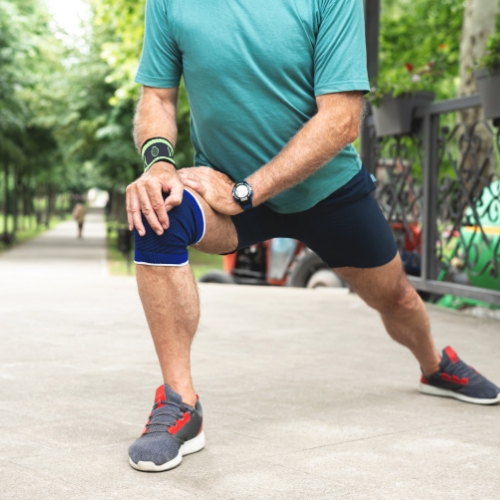
ACL Injury Prevention
ACL injury prevention focuses on strengthening the muscles that support the knee and improving balance, so the joint can better handle sudden changes in direction, thereby helping you avoid ACL tears.
Your physiotherapist will study your movement patterns and help correct positions that place extra strain on the knee. This approach reduces risk and supports better performance during athletic tasks like pivoting and cutting, ensuring you have strong and stable knees when you get back in the game.
Assisted Stretching
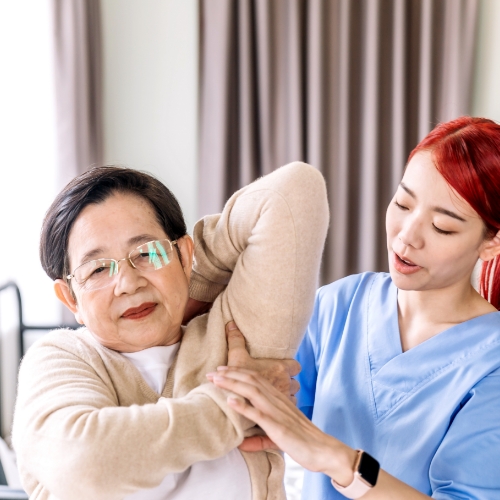
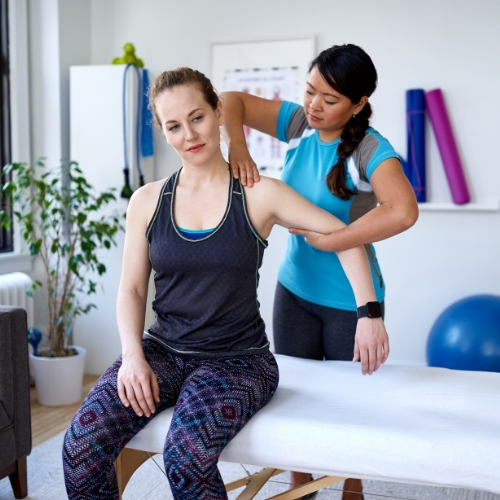
Assisted stretching helps improve movement by guiding the body through controlled stretches that target specific joints or muscles. Your therapist helps direct the movement so that tight areas lengthen safely.
This process supports better posture, reduces stiffness, and prepares the body for strengthening exercises. People often feel more comfortable during daily tasks when their joints move more freely. Assisted stretching also helps reduce tension that builds during long periods of sitting or repetitive activity.
Biofeedback
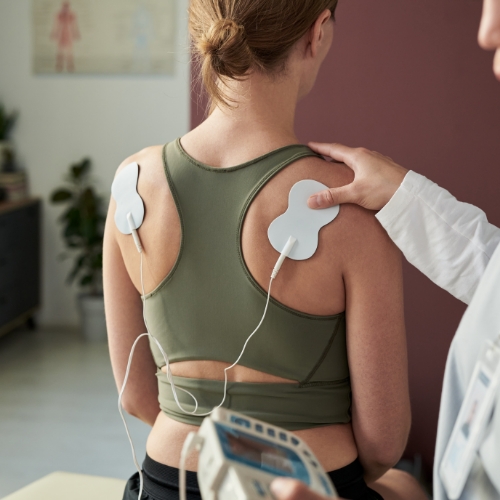
Biofeedback helps patients understand how their muscles activate during specific movements by giving real-time information about muscle activity. Sensors track how specific areas engage, allowing the therapist to pinpoint where control needs improvement. This insight helps retrain posture, coordination, and muscle timing.
Biofeedback is helpful during rehabilitation because it helps you learn how to activate the right muscles at the right time, encouraging you to build awareness that carries over into daily tasks and exercise.
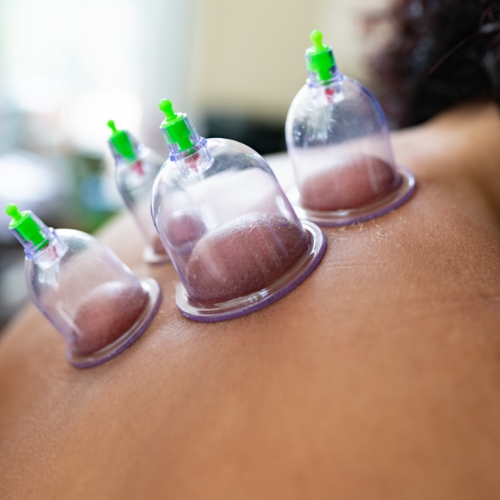
Cupping
Cupping uses gentle suction to lift soft tissue and support mobility in areas that feel tight or restricted, helping reduce tension and promote more comfortable movement.
Many people find that cupping helps improve mobility before stretching or strengthening exercises. Your therapist will place cups in specific positions that support the goals of your treatment plan. The result is often a lighter, more flexible feeling in the affected area.
Joint Replacement Rehab
Joint replacement rehab helps patients regain strength and mobility after total joint replacement surgery, which is most frequently performed to address arthritis in the hip or knee. Your therapist guides movement that matches your stage of healing and explains how to protect the new joint during daily tasks.
Treatment helps reduce stiffness, rebuilds muscle support, and teaches safe walking strategies. Early guidance prevents long periods of inactivity that may slow progress and helps you feel more confident as you return to normal routines after your procedure.
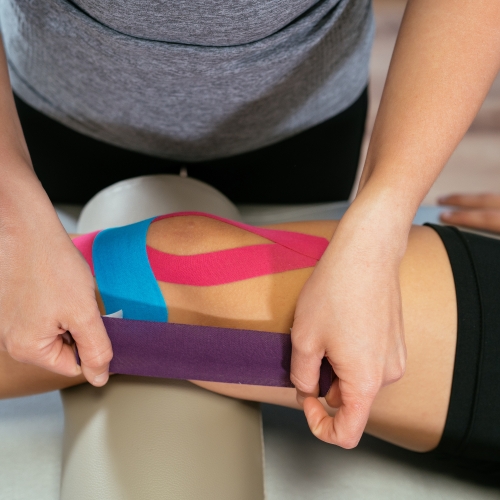
Kinesio Taping
Kinesio taping provides light support to muscles and joints while allowing full movement. The tape helps improve body awareness so you can move with better control during daily or athletic activity.
Your therapist may use taping to reduce strain on sensitive tissues or guide healthier posture. It can also support performance by helping muscles coordinate more effectively. Many patients appreciate how taping allows them to stay active while supporting recovery.
Lymphatic Therapy
Lymphatic therapy is used to manage swelling after surgery or as a treatment for conditions such as lymphedema. It uses a very gentle massage technique to encourage lymphatic fluid to move through the affected limb.
Your therapist will guide you through positions and light movements that improve lymphatic flow. This approach helps reduce heaviness in the arm or leg and supports better comfort during daily activities. Consistent treatment also helps protect skin health and mobility.
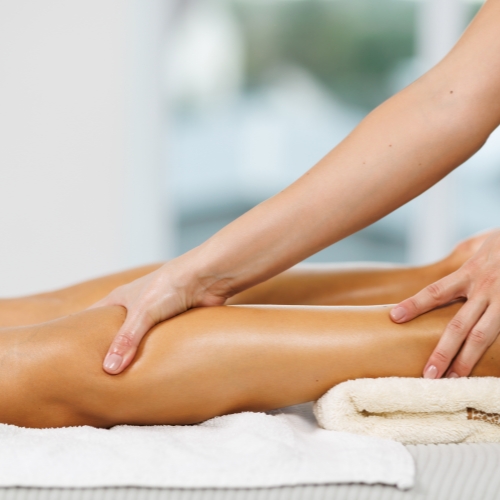
Manual Therapy
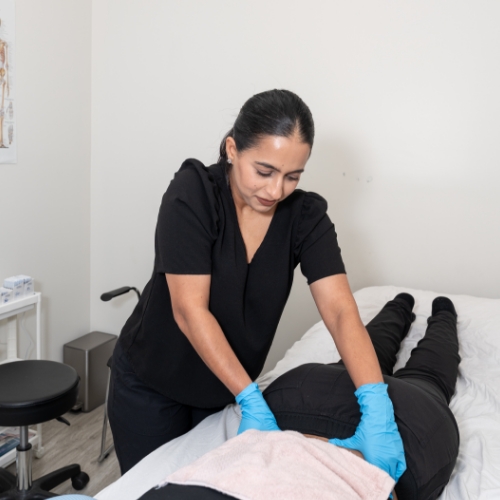
Manual therapy includes hands-on techniques that support mobility in the joints and soft tissues. Your physiotherapist may use gentle movements to reduce stiffness and help the affected area move comfortably. This approach prepares the body for strengthening and improves tolerance to daily activity. Manual care helps identify which structures contribute to discomfort so treatment can be more focused. Patients often report easier movement and less tension after sessions.
Spinal Manipulation
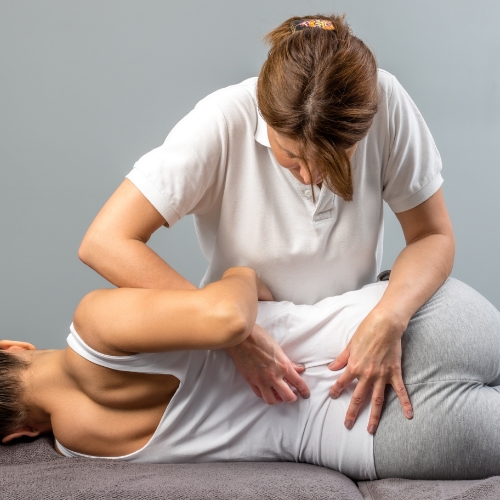
Spinal manipulation uses controlled movements to improve mobility in the spine. Your therapist applies gentle pressure to support freer motion in the neck or back, helping reduce stiffness and preparing the area for strengthening exercises.
Improved spinal mobility often leads to a more comfortable posture during sitting, lifting, or daily tasks. When combined with guided exercise, spinal manipulation supports healthier, more efficient movement.
Frequently Asked Questions
Does physiotherapy help with persistent pain?
How long does physiotherapy take to show results?
Can physiotherapy help prevent future injuries?
Start Your Physiotherapy Treatment at Elite Physio and Massage
If you want physiotherapy that supports steady and meaningful progress, Elite Physio and Massage is ready to help. Our physiotherapists in Chilliwack, BC study your movement, identify the source of your symptoms, and build a plan that matches your goals. If you’re ready to begin care that supports healthier movement and stronger function, schedule an appointment at Elite Physio and Massage today!
Your Next Steps…
- Request An Appointment
- Receive A Custom Treatment Plan
- Work Hard and Progress In Your Recovery
- Recover & Enjoy Life Pain-Free